Community Impact
The proposed Kingston Technology Hub could affect the surrounding communities in a number of ways. This page examines issues residents have raised, including water and power demand, traffic, noise, property and community impacts, and the effects on wildlife and the environment.
Water & Cooling
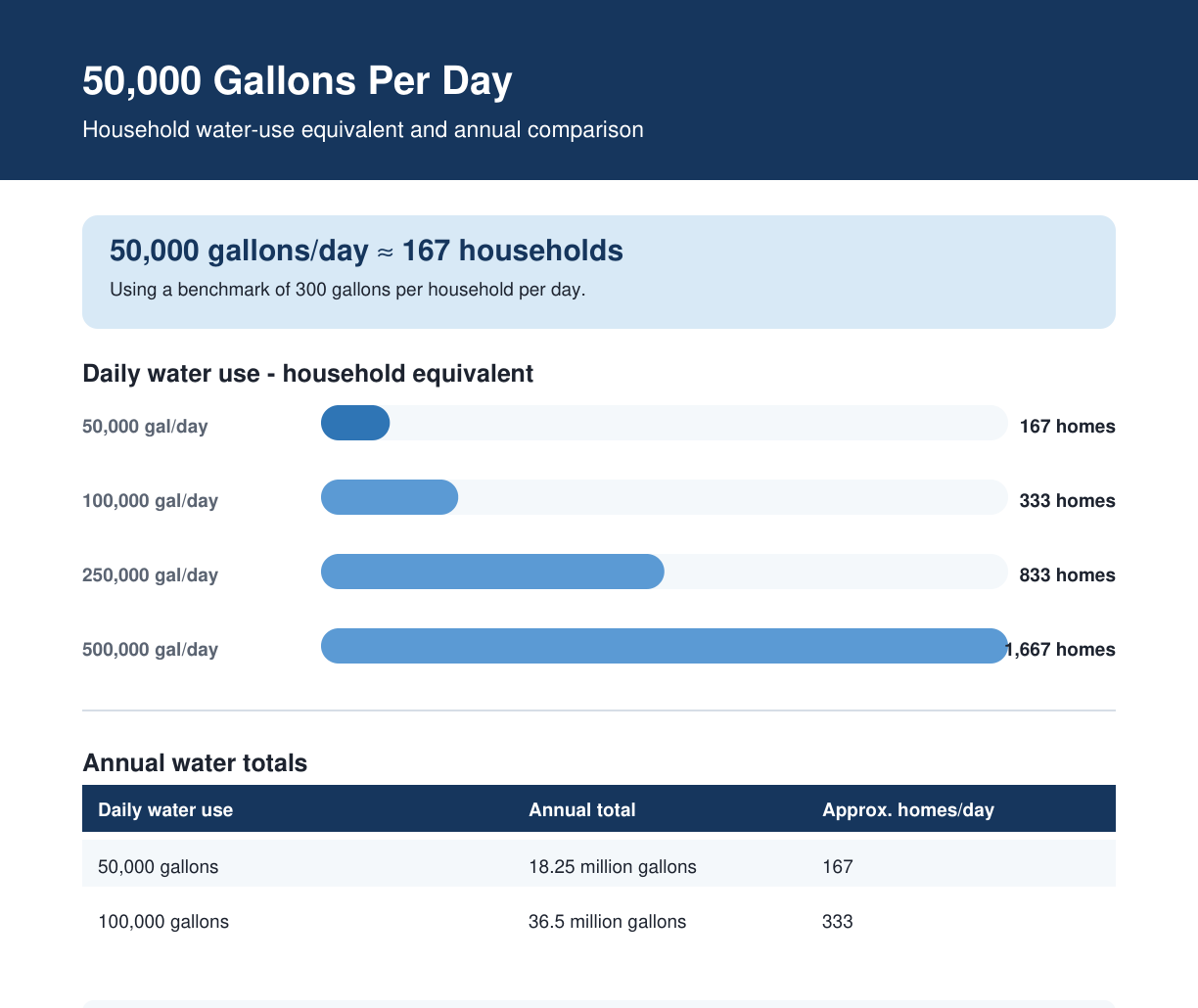
Large data centers can require substantial amounts of water for cooling, depending on the cooling system used and operating conditions. This section examines the proposed project’s water needs, cooling methods, potential daily consumption, wastewater or blowdown, and possible effects on local water resources.
Power & Energy
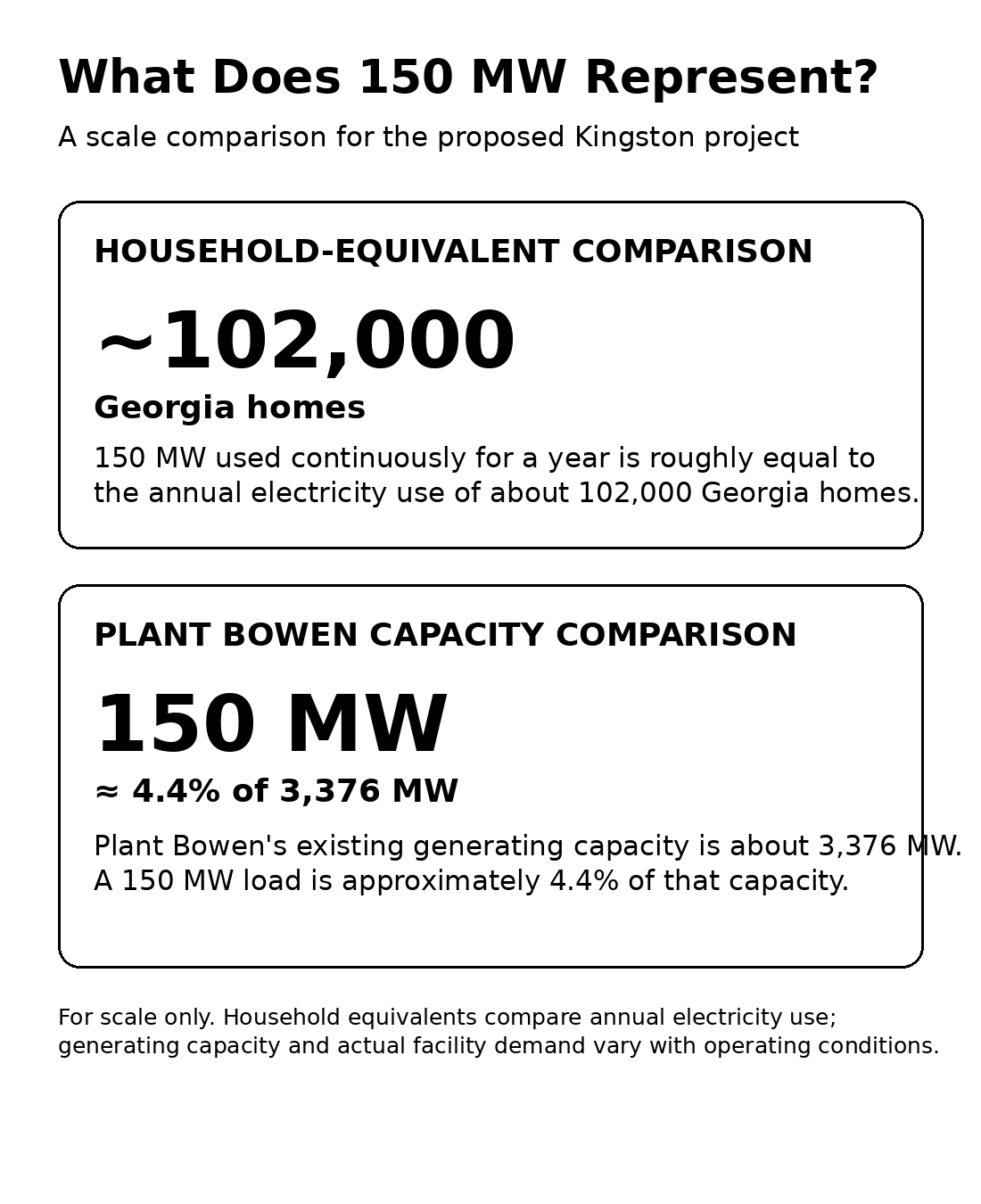
Large data centers can require significant amounts of electricity to operate servers, cooling systems, and other infrastructure. This section examines the proposed project’s potential power demand. how that demand compares with local generation capacity and household electricity use, and the possible infrastructure needed to serve a development of this site.
Traffic & Roads
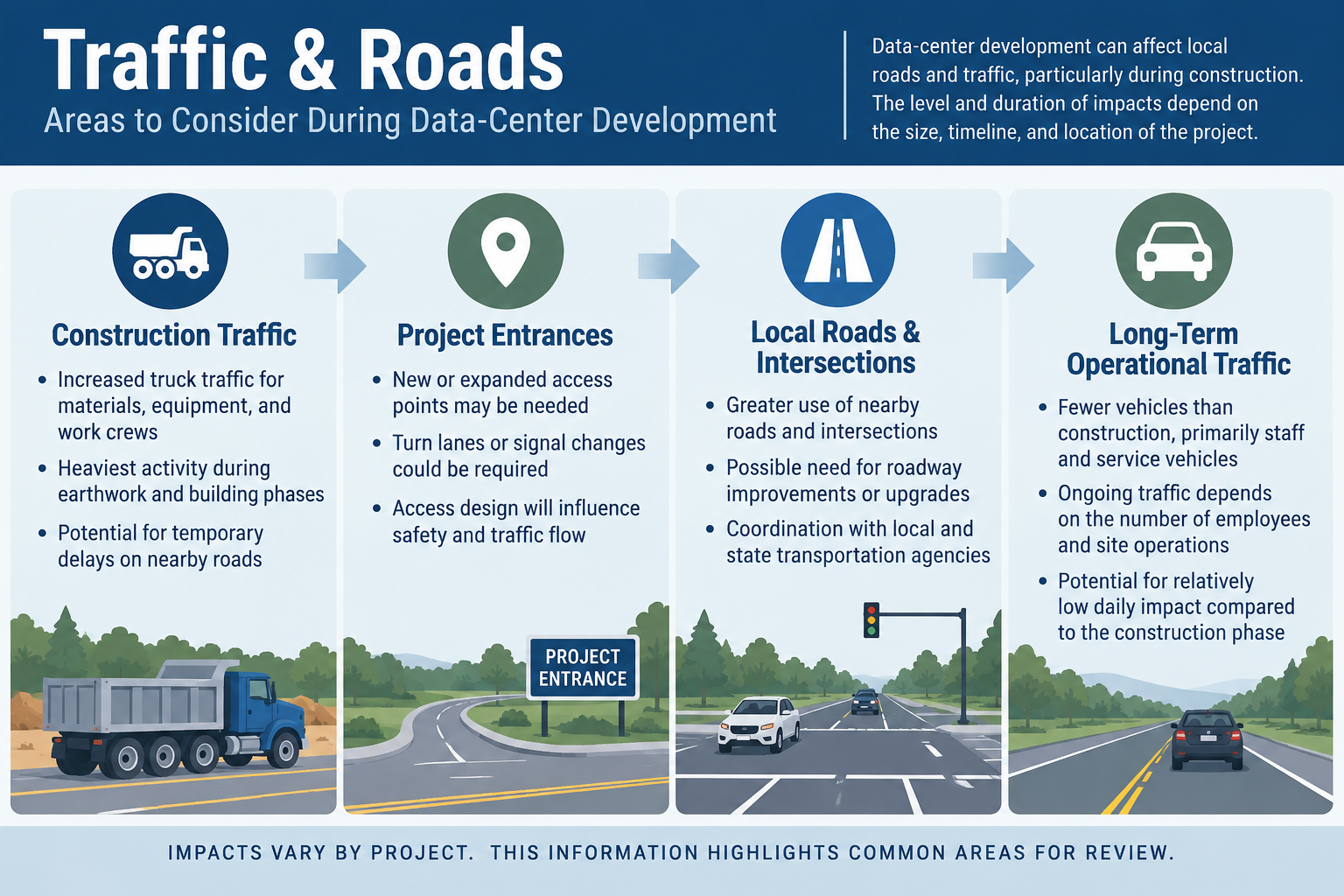
Construction and operation of a large data center campus could increase truck, contractor, and service traffic on roads that currently serve a largely rural area. This section examines potential effects on Highway 293 and Law Road, nearby intersections, road safety, noise, and the ability of existing roads to handle additional traffic.
Traffic studies, road plans, construction routes and related maps will be posted here if and when they become publicly available.
Environment & Wildlife
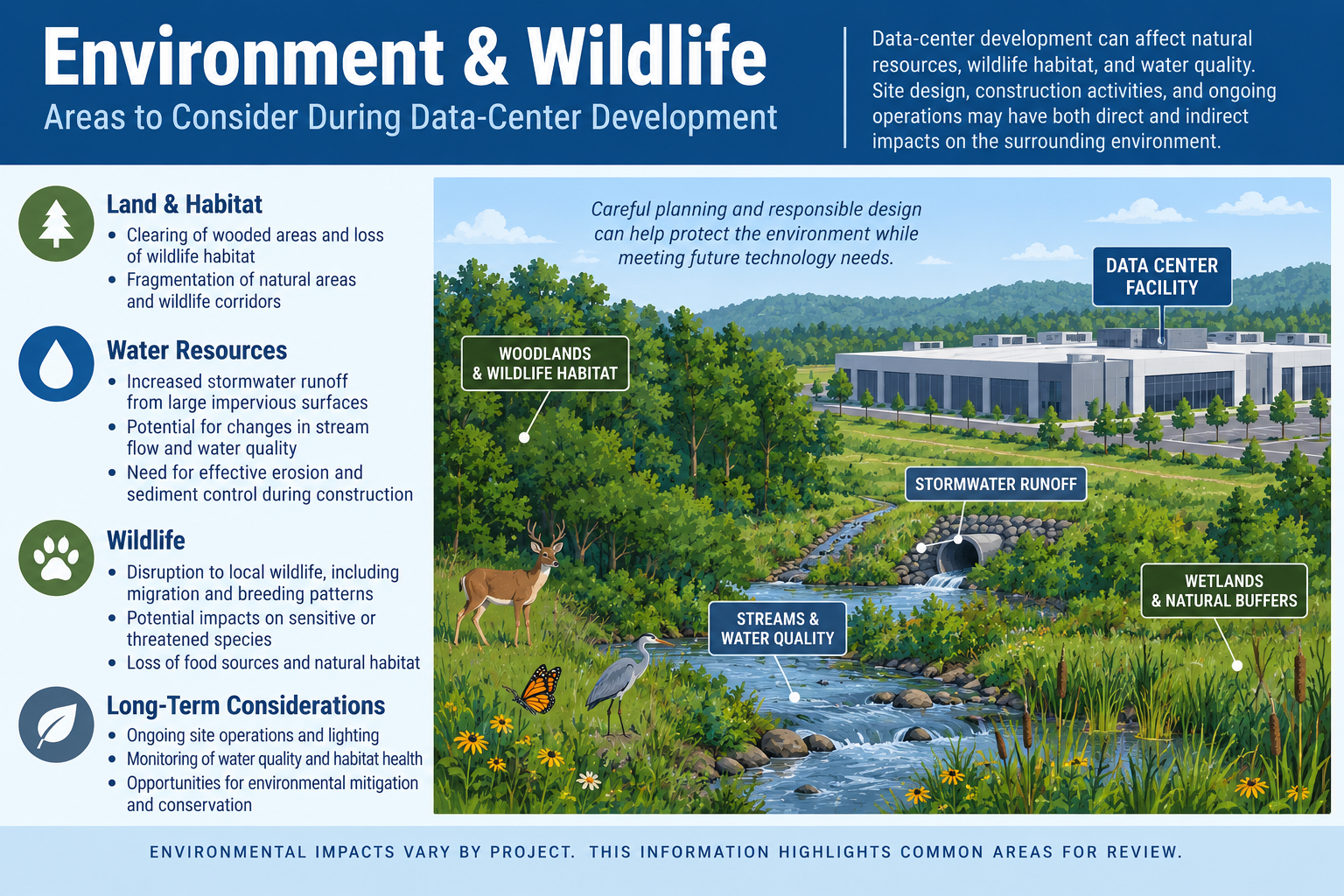
The proposed development area includes woods, fields, streams, and wildlife habitat that contribute to the rural character of the surrounding community. This section examines potential effects from land clearing, stormwater runoff, noise, lighting, habitat disruption, and changes to nearby waterways and natural areas.
Wildlife impact research, information about Two Run Creek environmental maps, and related studies will be added her as records and research become available.
Property & Community
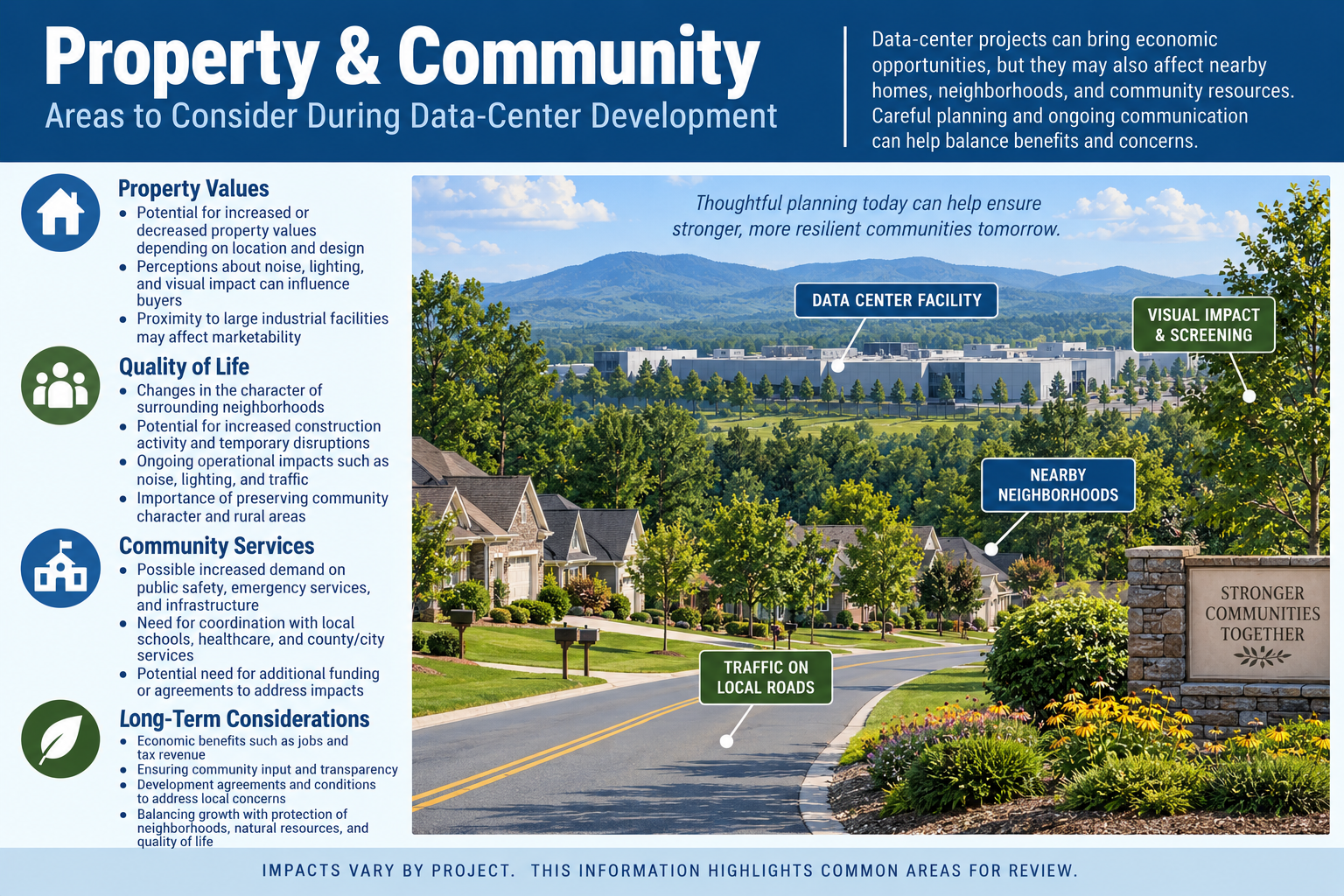
Nearby property owners and residents have raised concerns about how a large data center campus could affect property values, noise levels, views, traffic, quality of life, and the rural character of the surrounding area. This section will bring together research, local information, and documented community concerns related to those potential impacts.
Research on property values, community impacts, and examples from communities near existing data centers will be posted here. Available research will include its sources and limitations.
Research & Sources
Independent research and authoritative sources concerning data centers and their potential impacts on water, energy, traffic, the environment, wildlife, property and surrounding communities.
Water & Cooling
Research on data-center water demand, cooling systems, evaporation, water quality, and wastewater considerations.
Why This Matters
Cooling technology can significantly affect how much water a data center consumes. Understanding the proposed cooling system is essential to when evaluating potential local water impacts.
Power & Energy
Research on data center electricity demand, grid capacity, energy infrastructure, and projected growth in power use.
Why This Matters
Large data centers can require substantial and continuous electrical capacity. The source of that power and any required infrastructure are important considerations for the surrounding community.
Traffic & Roads
Research and project-specific information concerning construction traffic, truck movements, roadway capacity, safety, and potential effects on local roads.
Why This Matters
Construction can create very different traffic conditions from normal data center operations. Project-specific traffic studies and access plans help determine potential effects on nearby roads.
Environment & Wildlife
Research on potential effects of large-scale development on wildlife habitat, streams, and wetlands, stormwater, vegetation, and surrounding ecosystems.
Why This Matters
Large-scale development can alter habitat, drainage and natural buffers. Site-specific environmental studies help identify resources that may require protection or mitigation.
Property & Community
Research on how data center development may affect nearby communities, including land use, noise and lighting, property values, local infrastructure, and quality of life considerations.
Why This Matters
Community effects vary by location and project design. Setbacks, buffers, noise controls, lighting, traffic management, and public involvement can all influence how a project interacts with nearby properties.
Sources
U.S. Department of Energy - Cooling Water Efficiency Opportunities for Federal Data Centers
Explains how cooling towers use evaporation, makeup water and blowdown, and discusses methods for reducing water consumption.
Lawrence Berkeley National Laboratory - U.S. Data Center Energy & Water Modeling
Provides national research and modeling of data center electricity and on-site water demand, including how different cooling technologies affect water consumption.
Lawrence Berkeley National Laboratory - Water Use of Data Center Workloads
A 2025 research study showing that data center water use can vary enormously depending on factors including technology, climate, server efficiency and the electricity source. That’s important because it helps us avoid implying that every data center uses the same amount of water.
Lawrence Berkeley National Laboratory - United States Data Center Energy Usage Report: 2025 Update
This is especially useful because it is the newer June 2026 update. It estimates that data centers could account for 11.8% of total U.S. electricity use by 2030, with scenarios from 9.5% to 15.3%.
U.S. Department of Energy - Electricity Demand Growth Resource Hub
DOE discusses rising electricity demand, including growth associated with data centers and AI, and provides resources concerning grid reliability, affordability and planning.
International Energy Agency - Energy and AI: Energy Demand from AI
This gives us a broader independent perspective. The IEA examines projected data center electricity growth and emphasizes that large data centers are geographically concentrated, which can make their integration into local and regional grids more challenging.
Georgia Department of Transportation - Traffic Data
Official Georgia transportation information and traffic-count resources useful for evaluating traffic conditions on state and local routes.
Federal Highway Administration-Freight & Roadway Planning
Federal transportation resources concerning truck traffic, roadway capacity, safety, and transportation planning.
Georgia DNR - Environmental Review
Georgia DNR explains its environmental review process and specifically notes that large-scale projects in previously undeveloped areas and projects potentially affecting natural habitats or aquatic resources should receive formal comment from its office.
Georgia DNR - Georgia’s Aquatic Species Diversity
This is particularly useful for our discussion of streams. Georgia DNR explains how development-related impervious surfaces, runoff, erosion and loss of stream buffers can affect aquatic habitat.
U.S. Fish & Wildlife Service - Stream Crossings in Georgia
Explains how roads, culverts, utility crossings and other infrastructure can affect stream habitat and wildlife movement, including habitat fragmentation.
National Association of Counties - Data Centers: County Considerations
A 2026 primer for local governments covering land use, infrastructure, energy and water demands, zoning, permitting, and long-term community considerations.
Federation of American Scientists - Before Breaking Ground
A 2026 local government guide that specifically examines data center property values, local ordinances, and community-benefit agreements. Its property value section looks at taxable-value data from six jurisdictions.
Duke University - Data Center Development and Local Governance
Research addressing community concerns including noise, land use, water, energy, tax incentives, zoning, and community involvement in data center development.
RESEARCH REPORTS & BACKGROUND MATERIALS
Environmental & Wildlife
Kingston Environmental & Wildlife Brief - streams, habitat, wetlands, protected-species review and Two Run Creek
Kingston Stormwater & Drainage Brief - runoff, detention, erosion, outfalls, and Two Run Creek.
Water & Power
Kingston Power & Electrical Demand Brief - including the approximately 150 MW filed load and questions about transmission and substations
Four Data Center Cumulative Impact Forecast - useful because it examines what the cumulative impacts could look like if multiple facilities are developed.
Community & Property Impacts
Data Centers: Community Impacts - General Guide
Data Centers and Nearby Home Values - Stanton Springs, Georgia Case Study
Land, Easements & Eminent Domain
Data Centers and Eminent Domain - Georgia/Kingston
Georgia Power, Eminent Domain & Data Centers - Coweta County Case Study
Project Property & Parcel Information
Property and parcel records can help residents understand the location, ownership, acreage, and boundaries of land associated with or near the proposed Kingston Technology Hub. Public records can also be used to research deeds, easements, zoning, and other land-related information.
How to Research a Bartow County Parcel
Start with the Bartow County property/GIS Search
Search by parcel number, property address, or owner name. The property record can help you identify the parcel boundary, acreage, assessed owner, and other tax assessor information.
For deeds plats, easements, and ownership history, use the Georgia Superior Court Clerks’ Cooperative Authority (GSCCCA) real-property records or contact the Bartow County Clerk of Superior Court. The statewide system includes deeds, liens, and plat records and allows searches by owner name, property information, book and page, and other fields.
Bartow County Property/Parcel Search
Search by property address or parcel number. Select the property record, then choose “View Map” to see the parcel on the GIS map. To check zoning, turn on “Bartow County Zoning” layer on the left side of the map.
Bartow County Property/Parcel Search - Deeds, Plats, & Easements
Tax assessor and GIS records are useful for locating a parcel, but they are not a complete ownership history. Recorded deeds, plats, easements, and other real estate documents are maintained through the Clerk of Superior Court and Georgia’s statewide real property records system.
Tip: Write down the deed book and page number shown in a property record. Those numbers can make it much easier to locate the actual recorded deed and trace earlier ownership
Bartow County Board of Tax Assessors, 135 W. Cherokee Avenue, Suite 126, Cartersville, GA 30120, 770-387-5090, assessors@bartowcountyga.gov
Bartow County Clerk of Superior Court, 135 W. Cherokee Avenue, Suite 233, Cartersville, GA 30120, 770-387-5025
Project & Nearby Parcels
Kingston Technology Hub Site
Bartow County, GA Highway 293 Area
Owners identified in project records: Robert C. Cha, Silvana U. Cha, Christine Cha Choe, Christopher H. Choe
Parcel #: 0037-0197-001
View Parcel 0037-0197-001 - Bartow County Property Records -
Project relationship: Parcel identified as the location of the proposed Kingston Technology Hub in DRI #4835.
Proposed project site: Approximate 561.51 acres according to the DRI.
Nearby Large Parcels
Parcel # 0025-0159-001
Owner identified in Bartow County records: Springbank LLC, c/o Timberland Investment Resources LLC
Acreage: Approximately 1,242 acres
Parcel # 0038-0163-001
Owner identified: Osprey Timber LLC
Acreage: Approximately 1202.5 acres